Healthcare Plan Options
👇Scroll Down to See Plans👇
Private, affordable health insurance for relatively healthy individuals — no income-based subsidies, no marketplace plans.
We are saving individuals and famlies 30%-60%.
We offer multiple top-rated quality healthcare plans from Major Medical PPO plans to Indemnity PPO plans for designed for those that are relatively healthy, along with a suite of ancillary plans to meet your needs. These are not ACA Marketplace plans.
Please review below to determine if these plans are a good fit for you and your family.
Let’s find the ideal plan for you and your family!

- Nationwide PPO
- Choose the Doctors You Want
- Hosptial & Doctor Coverage
- Surgery - Inpatient & Outpatient
- Preventive Care
- Labs & Imaging
- 24/7 Telehealth
- Prescription Drug Coverage
- Dental & Vision Plans Available
- Cancer, Heart Attack, & Stroke Critical Care Plans Available
We offer multiple plan categories and options designed to fit your unique health insurance requirements. Our plans and pricing are based on individuals aged 18 to 64. Please note that rates shown are for illustration purposes only and are not guaranteed—they vary by state.
Contact us today for a personalized quote based on your age, family size, and location.
Essential
Essential Fixed Indemnity PPO Benefit planwith broad coverage
- First Health PPO Network
- No Deductibles or Coinsurance
- No Copay
- $1,000,000 Calendar Yr Benefit
Advantage
Affordable access to Major PPOMedical benefits
- PHCS or Cigna PPO Network
- $500 Annual Deductible
- $50 Doctor Copay
- No Coinsurance
Premier
Complete Major Medical PPO Planthat is more affordable than ACA Market Place Plans
- Cigna or BCBS PPO Network
- $1,000 up to $7,500 Annual Deductible
- $25 Doctor Copay
- 20% Coinsurance
Are These Plans a Good Fit For You?
Who These Plans Are Designed For
Private health plans are best suited for people who:
- Are in relatively good health
- Are not taking expensive brand-name medications
- Want affordable, nationwide PPO access
- Do not qualify for ACA income-based subsidies
- Prefer customizable plan options with lower monthly premiums
These plans are not income-based, do not include financial subsidies, and do not cover high-cost brand-name medications.

Who May Not Qualify (Health Conditions to Review)
These plans require general good health. Certain conditions may cause you to not qualify or may be treated as pre-existing and excluded from coverage. These guidelines help ensure premiums remain low for healthy members.
Serious or High-Risk Conditions
- Organ failure or transplant
- Genetic conditions requiring cell/gene therapy
- Active cancer requiring chemo, radiation, or cell therapy
- Kidney failure requiring dialysis
- Hemophilia or blood clotting disorders
- Type 1 diabetes
- Neurological diseases like Parkinson’s, epilepsy, MS, ALS
- Severe heart disease (heart attack, stroke, heart failure, bypass surgery)
Recent or Ongoing Medical Treatment (last 5 years)
- Hospitalizations or inpatient treatment (including mental health/substance treatment)
- Autoimmune or blood disorders
- Respiratory disorders such as COPD or emphysema
- Major surgeries or recommended upcoming surgeries
- Musculoskeletal disorders requiring injections or procedures
- Substance abuse or dependency
- Pregnancy or fertility treatments
Frequently Asked Questions
Yes some plans do cover brand name medications. However with the cost of medications skyrocketing many plans have limited their formulary list on what they will cover. If your brand name medication is not covered on a plan there are solutions that provide discounts and with the savings clients are receiving with your plans it many cases it makes sense to use a discount program and pay out of pocket for the medication.
I work with carriers that provide nationwide PPO access in many states. We’ll review availability for your ZIP Code.
Once you qualify, enrollment can often be completed in one call; your coverage effective date depends on the carrier and timing. We have short term interim plans that we offer that can bridge a gap in-between plans.
Private health insurance plans are medically underwritten PPO or EPO plans designed for individuals and families who are relatively healthy.
These are not Affordable Care Act (ACA) Marketplace plans, meaning:
- They are not income-based
- They do not offer government subsidies
- They typically have lower premiums than ACA plans
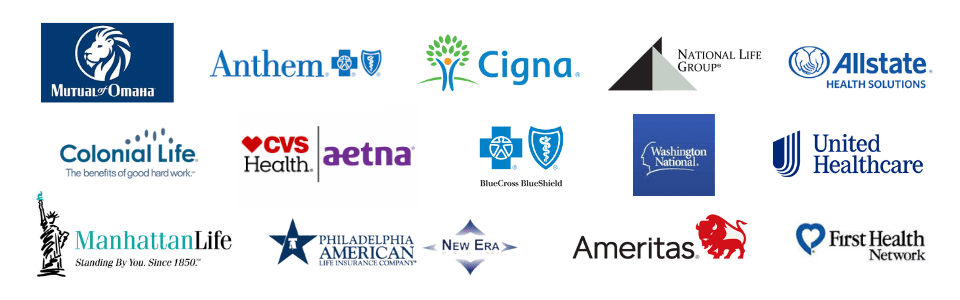
- They often include nationwide PPO networks (Cigna, BCBS, PHCS, First Health, United Healthcare)
These plans keep costs low by focusing on members who maintain good overall health.
Because these plans are designed to offer lower premiums, they must control risk differently than ACA plans.
ACA plans are guaranteed issue — meaning they cannot deny anyone based on health.
Private plans are medically underwritten — meaning they review health to determine eligibility.
This is what keeps premiums affordable for members.
Private health plans generally do not cover high-cost brand-name medications, especially specialty drugs.
This is one of the reasons the premiums remain significantly lower.
Generics and common medications are typically covered, but brand-name or specialty drugs may not be.
If you take brand-name medications regularly, I can help you compare options and decide whether:
- ACA Marketplace coverage
- A hybrid PPO + supplemental drug plan
- Or a private plan
…is the best fit.
Depending on the plan, networks may include:
- Cigna PPO
- Cigna EPO
- BlueCross BlueShield PPO
- PHCS
- First Health
- United Healthcare PPO
During your consultation, I’ll confirm which networks are available in your state and for your qualification.
Most clients find that their preferred doctors are in-network due to the large nationwide PPO networks offered.
To check your doctor, we’ll look up your providers during our call using:
- Cigna Provider Finder
- BCBS Provider Lookup
- PHCS/First Health Directories
You will know exactly who is in-network before you enroll.
Some pre-existing conditions may be:
- Excluded
- Rated up (higher cost)
- Or may disqualify you entirely
Examples of potentially disqualifying conditions come directly from the medical questionnaire (organ failure, active cancer, dialysis, etc.).
During the call, I’ll ask a few quick health questions so you know up front whether the plan is a good fit.
After you qualify:
- Applications can often be completed in the same day
- Your coverage can start as soon as the next available effective date. Typically deadline to enroll for an effective of the 1st of the next month is the 15th of the current month.
- Many plans offer 1st-of-the-month start dates
During open enrollment, it’s ideal to schedule sooner rather than later since plans can fill up.
Three main reasons:
They’re medically underwritten – They only enroll relatively healthy individuals, lowering claims cost.
They focus on essential, high-value benefits – Not all federally mandated ACA benefits are included.
They do not cover expensive brand-name drugs – This dramatically reduces premium cost.
As a result, many clients save 30%–60% compared to ACA plans.
Yes — in most cases, you can switch:
- During open enrollment
- When changing jobs
- When leaving employer coverage
- When premiums become unaffordable
- Or during certain qualifying life events
I’ll review your current plan and tell you exactly when you can make the change.
That’s exactly what our call is for.
I’ll ask you a few simple questions:
- Your health
- Your doctors
- Your travel needs
- Your prescriptions
- Your budget
Then I’ll show you the plans that fit and explain the pros and cons.
After the call, I send everything to you to review — no pressure, no sales tricks.
Many plans do, which include:
- 24/7 no-cost telemedicine via OurLiveDoc
- Wholeistic™ Health Coaching
- Personal Health Dashboard™ digital portal
But benefits vary by plan, so I’ll outline what each plan includes during your review.
This is a very common situation, especially for couples where one spouse reaches age 65 before the other.
In these cases, you do not need to be on the same type of plan. Each spouse can (and usually should) choose the best plan for their own age and health needs.
Here’s how it typically works:
For the spouse who is 65 or older
They generally enroll in a Medicare with a Medicare Supplemental plan which we can assist with.
This gives them strong, predictable coverage with very low out-of-pocket costs.
For the younger spouse (under age 65)
This spouse still needs a separate health insurance plan until they turn 65.
Options include:
- Private medically underwritten PPO plans
(ideal if they are relatively healthy and want lower premiums) - Traditional ACA Marketplace plans
(if they have conditions that don’t qualify for private plans) - Alternative catastrophic or indemnity options
(for those who want lower-cost protection until Medicare age) - Faith-based medical sharing
(budget-friendly option for some families)
Yes — most of the private plans I offer are an excellent fit for people who travel frequently or spend months living in different states. Many of my clients are snowbirds, RV travelers, digital nomads, or business owners who split time between states.
Here’s how it works:
Nationwide PPO Networks Most private plans I offer use large national networks such as:
- Cigna PPO
- BlueCross BlueShield PPO
- PHCS
- First Health
- UnitedHealthcare PPO
A nationwide PPO means you can:
- See doctors in any state
- Access specialists without referrals
- Visit urgent care centers widely
- Use in-network providers across the country
- Receive emergency coverage anywhere in the U.S.
This is ideal for people who spend time in:
- Florida during the winter
- Tennessee or the Midwest in the summer
- Western states for part of the year
- Multiple states due to remote work or travel
You can use in-network providers wherever you are, as long as they are part of the plan’s nationwide PPO network.
For emergency room care, you’re covered anywhere in the U.S. regardless of network.
What about prescriptions while traveling?
Many of these plans use major pharmacy networks such as:
- Walgreens
- Walmart
- CVS
- Rite Aid
This makes filling prescriptions easy no matter which state you’re in.